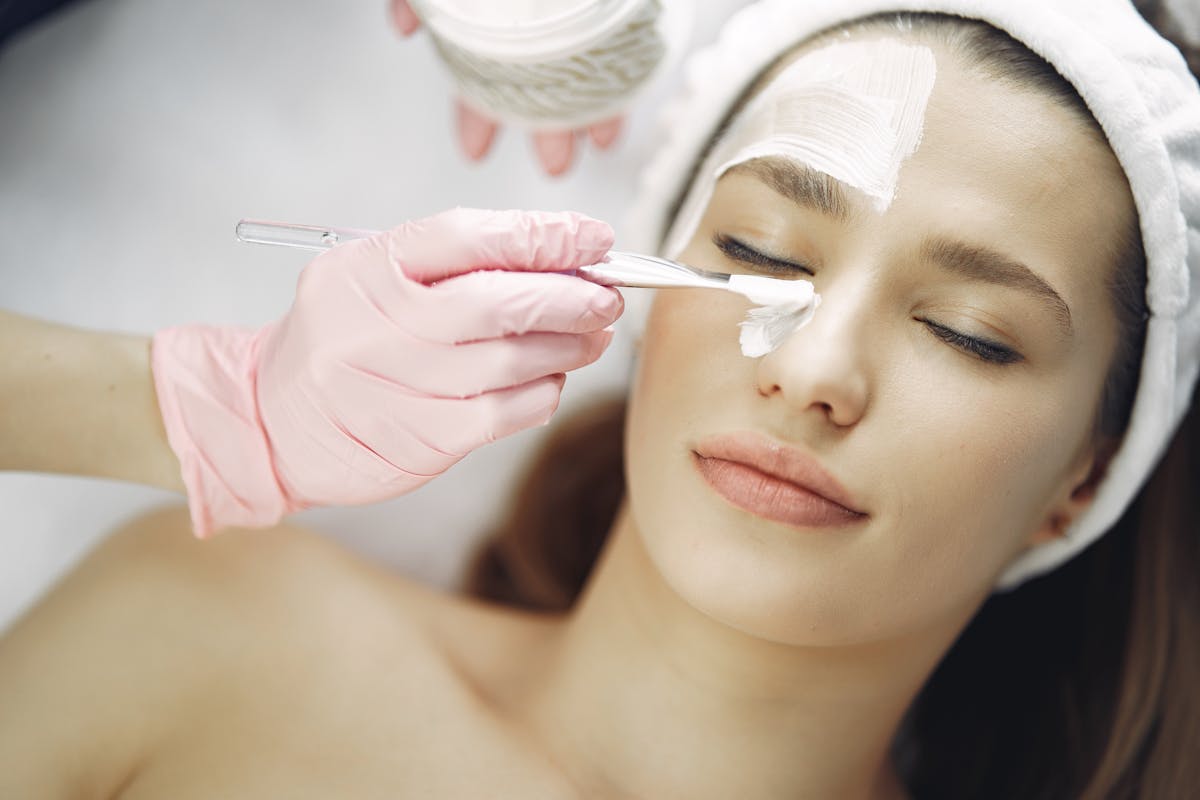
What Is Biofiller? A Comprehensive Guide to Natural Filler Treatment
Biofiller treatment represents a growing trend in regenerative aesthetics, offering patients a natural alternative to synthetic dermal fillers. Derived entirely from the patient's own blood, biofiller combines the volumizing properties of traditional fillers with the tissue-regenerating benefits of platelet-rich therapies. For those seeking facial rejuvenation without introducing foreign substances into their body, biofiller treatment provides a biocompatible option with minimal risk of allergic reactions. Op. Dr. Havva Gul Yildiz, an ophthalmologist and oculoplastic surgeon with over 25 years of clinical experience in Istanbul, performs biofiller applications with precision and attention to individual patient needs.
Understanding Biofiller: Definition and Science
Biofiller is an autologous (self-derived) filling material produced from the patient's own blood through a specialized processing technique. After a small blood sample is drawn, it undergoes centrifugation and controlled heating to create a fibrin-based gel. Unlike hyaluronic acid fillers, which are synthetically manufactured, biofiller is entirely biological in composition and contains natural growth factors that stimulate tissue regeneration.
How Biofiller Differs from Conventional Fillers
Conventional dermal fillers typically consist of hyaluronic acid, calcium hydroxylapatite, or poly-L-lactic acid. While these materials are effective and widely used, they are exogenous substances. Biofiller, by contrast, uses the patient's own plasma transformed into an injectable gel, making it inherently biocompatible. The risk of allergic reactions, foreign body granulomas, and immune-mediated complications is significantly lower.
Hyaluronic acid fillers provide immediate volume and typically last 6 to 18 months. Biofiller offers a more gradual effect; while some initial volume is noticeable, the primary benefits emerge over weeks as the growth factors stimulate collagen production. This dual mechanism — providing both volume and tissue regeneration — distinguishes biofiller from purely volumizing fillers. In some treatment plans, biofiller is combined with PRP therapy to enhance the regenerative response.
Composition and Preparation
The biofiller preparation process begins with drawing approximately 8 to 16 ml of blood from the patient's arm. This blood is placed into specialized tubes and processed in a centrifuge at carefully calibrated speed and duration. Following centrifugation, the separated plasma undergoes controlled thermal activation, transforming it from a liquid into a gel consistency suitable for injection.
The resulting biofiller material contains platelets, fibrin, and a concentrated mix of growth factors including PDGF (Platelet-Derived Growth Factor), TGF-beta (Transforming Growth Factor), and VEGF (Vascular Endothelial Growth Factor). These bioactive compounds work synergistically to promote cellular renewal and collagen synthesis at the treatment site. The entire preparation takes approximately 20 to 30 minutes and is performed under strict sterile conditions.
Who Is a Candidate for Biofiller Treatment?
Biofiller treatment suits individuals experiencing facial volume loss, fine lines, and early signs of aging who prefer a natural approach to rejuvenation. It is particularly appropriate for patients who have experienced allergic reactions to synthetic fillers or those who simply wish to avoid foreign materials. Several common treatment areas benefit from biofiller application.
Under-eye hollows and dark circles respond well to the gentle volumizing and regenerative effects of biofiller. Cheek volume restoration, perioral fine lines, and improvement of nasolabial folds are among the frequently treated areas. Additionally, the dorsum of the hands can benefit from improved skin quality and subtle volume enhancement. For patients addressing the eye area, complementary results may be achieved alongside blepharoplasty when indicated.
However, biofiller is not recommended for individuals with active skin infections at the treatment site, bleeding disorders, or those taking blood-thinning medications. Patients with autoimmune conditions require careful evaluation before proceeding. The treatment is also not performed during pregnancy or breastfeeding. A thorough consultation ensures that each patient receives appropriate recommendations based on their health profile and aesthetic goals.
How Is the Biofiller Procedure Performed?
The biofiller application process involves several steps and typically takes 45 to 60 minutes from start to finish. The entire procedure is conducted in a clinical setting under sterile conditions, ensuring patient safety throughout.
First, a small volume of blood is drawn from the patient's arm — comparable to a routine blood test. The blood is then processed through centrifugation and thermal activation to produce the biofiller gel. While the material is being prepared, a topical anesthetic cream is applied to the treatment areas to minimize discomfort during injection.
Once both the biofiller and the treatment site are ready, the physician injects the gel into the targeted areas using fine needles or blunt-tipped cannulas. The choice of injection tool depends on the treatment area and the physician's assessment. During the procedure, the doctor carefully controls the volume and distribution of the material to achieve balanced, natural-looking results. A gentle massage following injection helps ensure even distribution of the filler.
Biofiller can be combined with complementary treatments such as PRP, mesotherapy, or botulinum toxin applications as part of a comprehensive rejuvenation plan. The specific combination depends on the patient's individual needs and the physician's clinical judgment.
Recovery and What to Expect After Biofiller
Recovery after biofiller treatment is generally straightforward, with minimal disruption to daily life. Most patients can resume their normal activities on the same day. Nevertheless, following certain aftercare guidelines helps optimize results and minimize side effects.
Mild redness, swelling, and occasional small bruises at the injection sites are common and typically resolve within 2 to 3 days. Patients should avoid intense physical exercise, saunas, swimming pools, and steam rooms for the first 24 hours. Applying makeup to the treated area is not recommended on the day of the procedure. Sun exposure should be limited for at least one week, and sunscreen use is advised when outdoors.
The effects of biofiller emerge gradually. A subtle volume improvement may be noticed immediately after the procedure, but the more significant benefits — driven by collagen synthesis and tissue remodeling — become apparent over 2 to 4 weeks. Generally, 3 to 4 sessions spaced 3 to 4 weeks apart are recommended to achieve optimal results. The duration of effect varies based on age, skin condition, and lifestyle factors, but typically ranges from 12 to 18 months. According to research published in PubMed, autologous platelet-rich preparations demonstrate tissue-regenerating properties that support sustained improvement over time. Maintenance sessions once or twice per year can help preserve the results.
Risks and Safety Considerations
Because biofiller is derived from the patient's own blood, the risk of allergic reactions is extremely low compared to synthetic fillers. However, as with any medical procedure, certain risks and potential side effects exist and should be understood.
Temporary swelling, redness, and bruising at injection sites are the most frequently reported effects. In rare cases, small nodules may form at the injection point. The risk of infection remains minimal when the procedure is performed under proper sterile conditions. Asymmetry or uneven distribution of filler material can occur but is manageable by an experienced practitioner who can make adjustments during or after the procedure.
The quality of the biofiller material depends directly on the preparation protocol. Non-standard equipment or incorrect centrifugation parameters can compromise the quality and safety of the final product. For this reason, it is essential that biofiller treatment is performed by a qualified physician using certified equipment. Choosing a practitioner experienced in aesthetic procedures and injection techniques is fundamental to both safety and the quality of results.
Frequently Asked Questions
Is biofiller a permanent filler?
No, biofiller is not permanent. The biological material is gradually absorbed by the body over time. However, the growth factors contained in biofiller stimulate collagen production, which provides sustained tissue improvement beyond the initial filling effect. Results generally last 12 to 18 months, depending on the individual's biological response. Periodic maintenance sessions can extend and preserve the benefits.
Does biofiller treatment hurt?
A topical anesthetic cream is applied to the treatment area before injection, which significantly reduces discomfort. During the procedure, patients typically feel only mild pressure at the injection site. The blood-drawing phase is as brief and simple as a standard blood test. Most patients report that the experience is very tolerable. Significant pain after the procedure is not expected; mild analgesics can be recommended if needed.
What is the difference between biofiller and PRP?
Both biofiller and PRP (Platelet-Rich Plasma) are derived from the patient's own blood, but they differ in form and function. PRP is a liquid preparation rich in platelets and growth factors, primarily used for its regenerative effects on skin quality and tissue repair. Biofiller involves an additional thermal processing step that converts the plasma into a gel, giving it volumizing capability alongside its regenerative properties. In essence, biofiller combines the regenerative benefits of PRP with a filling effect. The two treatments can also be used together for enhanced results.
How many biofiller sessions are needed?
The number of sessions depends on the treatment area and the patient's individual goals. Typically, 3 to 4 sessions produce satisfying outcomes. Sessions are usually spaced 3 to 4 weeks apart to allow the tissue to respond to each treatment. After the initial series, the physician evaluates the results and recommends a maintenance plan. Annual touch-up sessions (1-2 per year) can help sustain the improvements over the long term.
To explore more about biofiller and other natural rejuvenation methods, visit our blog page.
This content is for general informational purposes only. Diagnosis and treatment decisions must be made following a physician consultation. Results may vary from person to person. T.C. Ministry of Health Authorized Health Tourism Facility.

Related Posts
Lip Filler: Procedure, Process and Frequently Asked Questions
Learn about lip filler treatments, how they work, recovery and FAQs. Expert guidance from Op. Dr. Havva Gül...
Read More
Under Eye Filler: Procedure, Recovery & What to Expect
Learn about under eye filler treatments, how they work, and what to expect. Expert guidance from Op. Dr....
Read More