


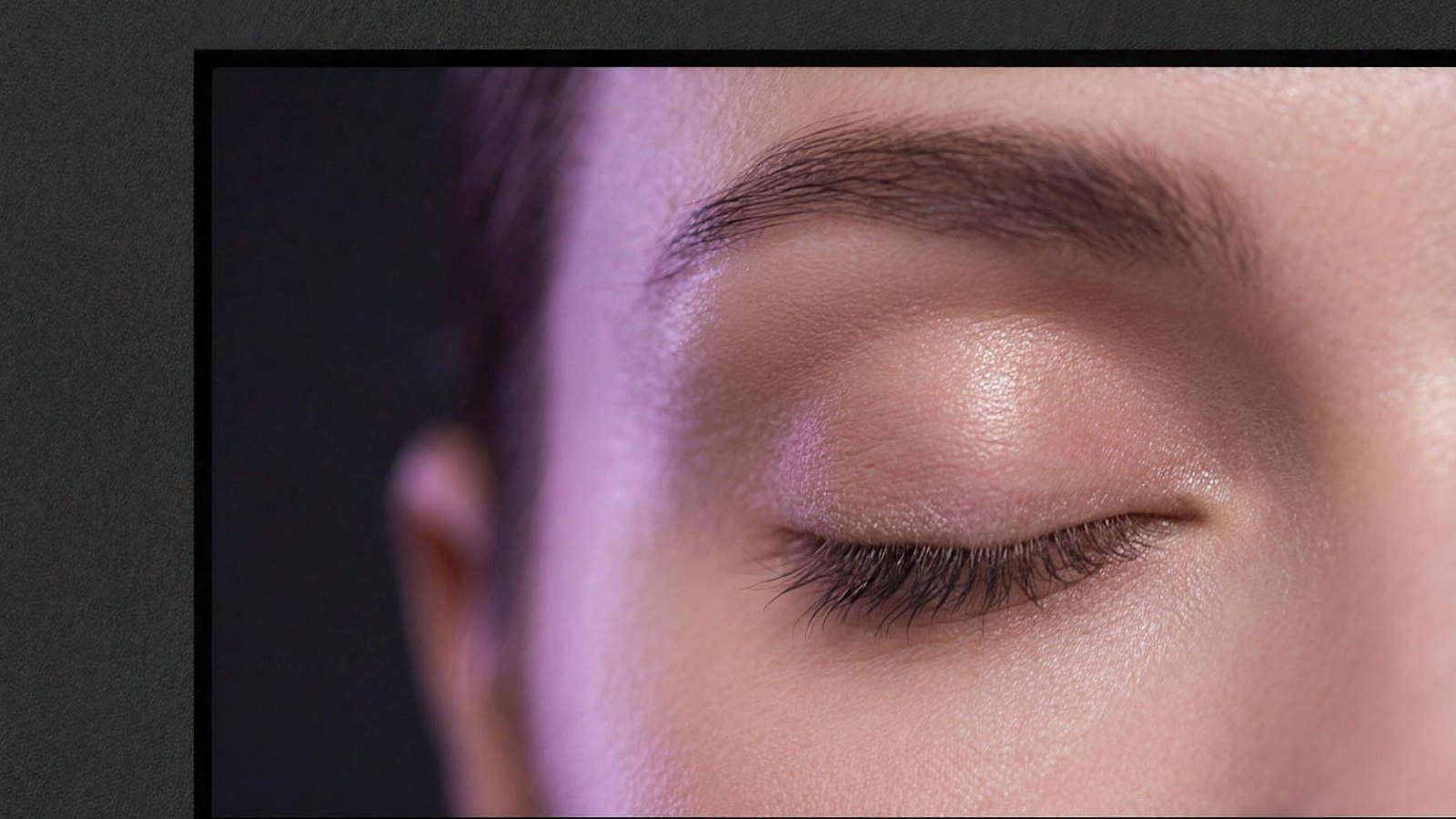
Upper eyelid surgery may be considered when excess lid skin restricts the upper visual field or creates a cosmetic concern. Excess skin, true ptosis and brow descent can look similar, so an examination must distinguish them before treatment is planned. The plan also depends on ocular-surface health, eyelid closure, medicines and individual goals. Bleeding, infection, dry eye, asymmetry, under- or overcorrection and, rarely, sight-threatening complications can occur; no result is guaranteed. An in-person assessment can be scheduled at the clinic in Maslak, Istanbul.
What Is Upper Eyelid Surgery?
Upper blepharoplasty involves the precise removal of redundant skin and tissue from the upper eyelid. The goal is to restore a more refreshed, open-eyed appearance while preserving the natural anatomy of the eye. Furthermore, in cases where drooping eyelids impair vision, this procedure provides measurable functional improvement by expanding the superior visual field.
Causes of Upper Eyelid Drooping
Several factors contribute to upper eyelid sagging. The most common cause is the natural aging process, during which collagen and elastin fibers in the skin gradually break down. Gravity accelerates this process over time. Moreover, genetic predisposition plays a significant role; some individuals develop eyelid laxity at a younger age due to inherited traits. Sun exposure, smoking, and certain medical conditions such as thyroid disorders can also accelerate the deterioration of eyelid tissue. In some cases, neurological conditions affecting the levator muscle may contribute to ptosis, which requires a different surgical approach.
Aesthetic vs. Functional Blepharoplasty
Upper eyelid surgery serves two primary purposes. Aesthetic blepharoplasty aims to rejuvenate the eye area by reducing signs of aging such as hooding and skin redundancy. Functional blepharoplasty, on the other hand, addresses cases where excess tissue physically obstructs the patient's line of sight. While the surgical technique is similar in both scenarios, the extent of tissue removal and surgical planning differ. Therefore, a thorough preoperative evaluation is essential to determine the appropriate approach for each patient.
Who Is a Candidate for Upper Eyelid Surgery?
Suitable candidates for upper eyelid surgery generally share several characteristics. They should be in good overall health, have realistic expectations about outcomes, and present with clinically significant upper eyelid skin excess. Additionally, the following conditions typically indicate candidacy for this procedure:
- Visible excess skin on the upper eyelids creating a hooded appearance
- Documented visual field restriction due to eyelid drooping
- Sensation of heaviness or fatigue around the eyes
- Asymmetry between the upper eyelids
- Difficulty applying eye makeup due to excess skin folds
However, certain conditions may preclude or delay surgery. These include uncontrolled eye diseases, severe dry eye syndrome, active infections, and unmanaged systemic conditions. Consequently, a comprehensive ophthalmological examination is the first step in determining surgical eligibility. Learn more about our blepharoplasty services.
How Is Upper Eyelid Surgery Performed?
The procedure is typically carried out under local anesthesia and takes approximately 45 minutes to one hour per eye. Here is an overview of the surgical process:
Preoperative planning: The surgeon carefully evaluates the eyelid structure, skin quality, and the amount of tissue to be removed. Precise markings are made along the natural crease of the upper eyelid. This mapping ensures symmetrical results while respecting the individual anatomy of each patient.
The surgical procedure: An incision is made along the predetermined natural crease line. Through this incision, excess skin is excised, and when necessary, underlying muscle and fat tissue are addressed. Because the incision follows the eyelid's natural fold, resulting scars become barely noticeable once healing is complete. Fine sutures are then used to close the incision with precision.
Combined procedures: In certain cases, upper eyelid surgery may be performed alongside complementary treatments. For instance, botulinum toxin injections can address crow's feet and forehead lines. Similarly, an almond eye procedure may be combined to achieve a more comprehensive periorbital rejuvenation. Nevertheless, the suitability of combined procedures is assessed on an individual basis.
Recovery After Upper Eyelid Surgery
The recovery timeline varies between patients; however, a general framework can help set expectations:
First 48 hours: Swelling and bruising around the eyes are expected and typically peak during this period. Cold compresses and keeping the head elevated significantly reduce these symptoms. Additionally, patients should avoid activities that strain the eyes, such as reading or screen use.
First week: Sutures are usually removed within 5 to 7 days. Swelling and bruising begin to diminish progressively. Most patients feel comfortable enough to resume light daily activities within a few days, although strenuous exercise should be avoided.
Weeks 2 to 4: The majority of patients return to their normal routines during this period. However, surgical scars continue to mature and fade over the following months. Sun protection is particularly important during this phase to prevent scar hyperpigmentation.
Long-term recovery: Final results typically become apparent within 3 to 6 months. Because the incisions are placed within the natural eyelid crease, scars tend to become very inconspicuous over time. The outcomes of upper eyelid surgery can be long-lasting, although the natural aging process continues.
Risks and Important Considerations
As with any surgical procedure, upper eyelid surgery carries certain risks. Potential complications include infection, bleeding, dry eyes, temporary blurred vision, and asymmetry. Therefore, choosing an experienced oculoplastic surgeon is crucial for minimizing these risks.
Before surgery, patients may need to discontinue blood-thinning medications and certain herbal supplements for a specified period. Smoking negatively affects the healing process, so cessation before and after surgery is strongly recommended. Furthermore, patients who wear contact lenses may need to refrain from using them for a designated period following surgery.
All these details are thoroughly discussed during the preoperative consultation. Explore our aesthetic surgery services for additional information about available procedures.
Frequently asked questions
Are excess upper-lid skin and ptosis the same condition?
No. With excess skin, a fold of skin weighs on the lid; with ptosis, the structures that lift the eyelid are affected. Brow descent can mimic either problem. Eyelid height, levator function, brow position, ocular surface and, when appropriate, visual-field testing help determine which treatment may fit.
When does the appearance settle after surgery?
Swelling and bruising improve at different rates, while scars and tissues may continue to mature for longer. There is no single safe date for returning to screens, work or exercise. The extent of surgery, examination findings and individual healing determine the surgeon's tailored advice at follow-up.
What important risks should be discussed before surgery?
Possible problems include bleeding, infection, visible scarring, asymmetry, worsened dry-eye symptoms, incomplete eyelid closure, under- or overcorrection and a need for further surgery. Sudden loss of vision, severe pain or rapidly increasing swelling requires urgent assessment. Surgical expertise may reduce risk but cannot remove it.
Related guides
Sources
- Upper Eyelid Blepharoplasty — American Academy of Ophthalmology EyeWiki
- Eyelid surgery (blepharoplasty) — NHS
This content provides general information, not a diagnosis or personal treatment recommendation. Suitability, risks and alternatives require an individual medical assessment.

Related Posts
Lower Eyelid Surgery: Eye Bags, Options and Risks
A patient-focused overview of lower blepharoplasty assessment, incision choices, variable recovery and lower-lid position risks.
Read More
Blepharoplasty Recovery: Symptoms, Risks and Timeline
A week-by-week guide to expected findings, variable recovery and warning signs that require urgent assessment after eyelid surgery.
Read More