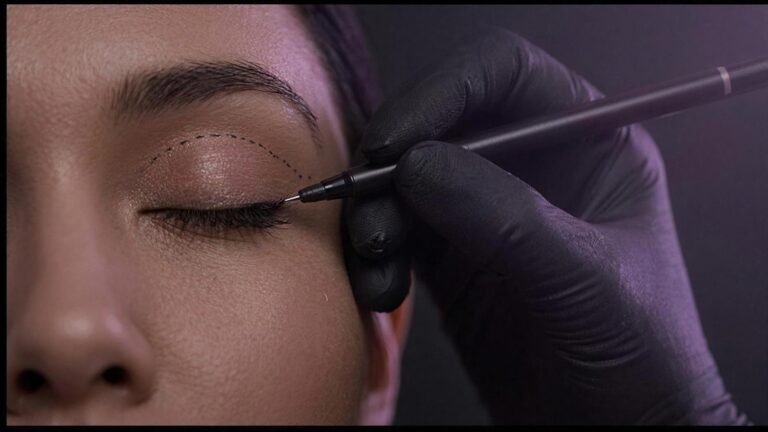

Almond Eye Surgery: Candidacy, Planning and Risks
Eye Aesthetics

Almond Eye Surgery: Candidacy, Planning and Risks

12 min read hgcadmin

Almond eye surgery is a general term for different surgical goals involving the position of the outer eye corner and lower-eyelid support; it is not one standard operation. Canthopexy, canthoplasty, another approach, or no surgery may be discussed after considering eyelid laxity, ocular-surface health, facial proportions, previous procedures, general health, and personal expectations. A particular eye shape, perfect symmetry, or permanence cannot be guaranteed. Possible outcomes include swelling, bruising, scarring, asymmetry, dryness, eyelid malposition, vision changes, and the need for further treatment. The decision should rely on an in-person examination and a balanced benefit-risk discussion rather than social-media examples.

What Is Almond Eye Surgery?

The term describes operations intended to reposition the outer eye corner and, when needed, adjust lower-eyelid support. The planned change may include upward and outward positioning, but the direction and degree that can be considered are limited by individual anatomy, ocular-surface safety, and eyelid function.

The procedure may be considered for appearance-related goals, while some patients may also have a functional concern involving eyelid laxity or position. The same visual goal does not require the same technique in every person, and assessment may conclude that surgery is not appropriate.

What the Term Does—and Does Not—Tell Us

“Almond eye” is not the name of one standardised operation. Images or aesthetic labels used online do not establish the difference between canthopexy and canthoplasty, the tissue work required, or an individual outcome. Historical popularity or a particular beauty ideal should therefore not be treated as a medical candidacy criterion.

The technique is selected according to examination findings and the surgical goal. Every approach has limitations and a possibility of complications; millimetric accuracy, a “natural” appearance, an invisible scar, or a particular speed of recovery cannot be promised.

Who May Be Assessed for Almond Eye Surgery?

The following may be reasons to request an assessment; having any one feature does not by itself mean that surgery is suitable:

  • An appearance-related concern about the position of the outer eye corner
  • A wish for the eye shape to appear more upwardly directed
  • A perceived age-related change in outer-corner position or lower-lid support
  • A congenitally downward canthal tilt
  • Suspected lower-eyelid laxity or malposition
  • A request for reassessment after previous eyelid or facial surgery
  • People whose expectations, general health, and ocular surface may be compatible with surgical planning

Assessment reviews eyelid closure, laxity and position, the cornea and tear film, previous surgery, medicines, and personal goals. There is no universal age threshold or photograph-only decision for candidacy; a plan is determined through an individual examination and informed decision-making.

Surgical Approaches That May Be Considered

Canthopexy

Canthopexy generally means reinforcing and re-anchoring lateral canthal tendon support. It may support the corner without extensive tendon reconstruction, but describing it as less extensive does not mean that it is appropriate, faster to heal, or lower-risk for everyone.

Canthoplasty

Canthoplasty may include more extensive steps such as releasing, reorganising, and fixing the lateral canthal structures at an appropriate point. The tissues addressed and fixation method vary with examination findings; the degree and duration of a change in outer-corner position cannot be determined with certainty in advance.

Planning with Lower-Eyelid Support

For some people, an outer-corner approach and lower-eyelid support may be considered during the same assessment. This does not mean that the procedures must be combined or that a combined approach gives a better result; surgical extent, ocular-surface safety, added risks, and alternatives are discussed individually.

How Is the Surgical Plan Determined?

The type of anaesthesia, scope of surgery, technique, treating facility, and follow-up plan are determined for the individual by the surgical team. A fixed operating time, same-day discharge, or identical steps for everyone cannot be promised.

  • Anaesthesia: Options are assessed by the anaesthesia and surgical teams according to health status and procedural scope.
  • Incision and access: The incision location and route to the tissues may vary with the goal and existing anatomy.
  • Adjustment of canthal structures: Work on the tendon and nearby tissues is planned only to the extent required by the selected approach.
  • Fixation: The fixation point and material are selected according to individual anatomy and surgical need.
  • Closure and follow-up: The closure method, discharge, and review schedule depend on clinical findings and healing.

All prescription and non-prescription medicines, vitamins, and supplements should be disclosed to the surgical team before surgery. No medicine—including aspirin, blood thinners, or another prescribed drug—should be stopped or changed independently; if a change is needed, the prescriber and surgical team should make an individual plan.

Recovery

Recovery varies with the technique, combined procedures, individual tissues, ocular-surface condition, and whether a complication occurs. The stages below are not a guaranteed schedule or personal instructions:

  • Early period: Swelling, bruising, tenderness, watering, irritation, and temporary blur can occur; what is expected varies between people.
  • Reviews: Wound and suture assessment, and the timing of removal when required, depend on the material and healing.
  • Return to activities: Follow the surgeon’s individual advice about work, exercise, driving, contact lenses, and makeup.
  • Later healing: Eyelid position and scar appearance can continue to change as swelling settles; an interim appearance should not be treated as the final result.
  • Long term: Natural ageing and tissue laxity continue; lifelong stability or freedom from further treatment cannot be guaranteed.

Measures such as cold application, head elevation, sun protection, and wound care should be used only according to the surgical team’s individual instructions. Do not wait for a routine review if an unexpected symptom occurs.

Can Almond Eye Surgery Be Considered with Other Procedures?

Some procedures may be assessed within the same surgical plan, but only after discussing the separate reason for each procedure, total surgical burden, anaesthesia plan, ocular surface, and recovery risks:

  • Blepharoplasty, or eyelid surgery: This may be considered when there is a separate need involving excess skin, fat, or eyelid function.
  • Brow surgery: Brow position is assessed separately; brow and outer-corner goals do not substitute for each other.
  • Periocular volume procedures: Volume loss is considered as a separate anatomical issue with its own risks.
  • Facelift: Wider facial surgery is discussed only if there is an independent indication and an appropriate risk assessment.

Combining procedures does not automatically produce a better, more natural, or longer-lasting outcome. Combined surgery may increase surgical extent and recovery burden; staging procedures or choosing no surgery are also options.

Possible Goals and Limitations

Planning should address what the operation cannot do as clearly as the change it may seek:

  • A change in outer-corner position may be sought; the degree is limited by anatomy and safety.
  • Eyelid support may be reinforced; functional improvement cannot be expected in every patient.
  • A visible difference between the eyes may be reduced; perfect symmetry may not be possible.
  • Incisions may be placed in natural lines, but a scar can remain, become noticeable, or continue changing for a long time.
  • Appearance changes during healing; a short and comfortable recovery cannot be guaranteed.
  • Duration depends on the person and technique; permanence or a particular aesthetic result cannot be promised.
  • Additional procedures require a separate benefit-risk assessment; more treatment does not mean a better result.

Risks and When to Seek Urgent Care

As with any surgery, the type and likelihood of risk vary with the person and procedure. The consultation should explain personal risks, alternatives, and what will happen if a complication develops.

  • Swelling, bruising, pain, tenderness, or temporary numbness
  • Bleeding, including bleeding behind the eye that can create pressure and threaten vision
  • Infection or a wound-healing problem
  • Dry, irritated, or watery eyes; incomplete eyelid closure
  • A noticeable or troublesome scar
  • Asymmetry, an unexpected shape, overcorrection, or undercorrection
  • Outward or inward turning, retraction, or another eyelid malposition
  • Double vision, blurred vision, or other vision changes; rarely, permanent visual impairment
  • Injury to surrounding tissue or an eye muscle, and anaesthesia-related problems
  • A need for further treatment, revision surgery, or prolonged follow-up

Urgent warning: After surgery, contact the surgical team immediately and obtain urgent medical assessment without delay for new or worsening vision changes, severe or increasing eye pain, rapidly increasing swelling, or bleeding.

Individual Assessment and Decision-Making

An appropriate consultation considers personal goals, eyelid and ocular-surface findings, treatment options, the option of no surgery, limitations, and material risks together. A photograph or remote message alone is not enough to establish candidacy, technique, or outcome.

You can also read general procedural information on the Almond Eye service page. This link does not mean that the procedure is suitable for you or available at a particular location; an individual plan can be made only after assessment at an authorised healthcare facility.

Appointment and Consultation

You may use the contact channels to request general information about almond eye surgery or an in-person assessment. Making an appointment does not establish surgical candidacy or a decision to proceed.

Online appointment request or WhatsApp contact.

This content provides general information; it is not a diagnosis, personal medical advice, or a promise of outcome. Suitability, alternatives, risks, and follow-up should be assessed individually during an examination by a specialist physician.

Frequently Asked Questions

Are canthopexy and canthoplasty the same procedure?

No. Canthopexy generally means reinforcing outer-corner support, while canthoplasty involves more extensive reorganisation of the lateral canthal structures. The approach considered depends on eyelid laxity, existing tilt, ocular-surface health, and the goal. A technique’s name alone does not establish candidacy or predict the result.

Is the result of almond eye surgery permanent?

A change in outer-corner position may remain visible for a long time, but appearance evolves during healing and natural ageing continues. Laxity, asymmetry, or an unexpected shape can occur, and some patients may need additional treatment. Lifelong stability and perfect symmetry cannot be promised.

What is assessed during an in-person evaluation?

Eyelid laxity and position, closure, the ocular surface, previous procedures, general health, medicines, and expectations are reviewed. The examination helps determine whether surgery is appropriate and which options may be discussed; a photograph alone cannot provide a definitive plan or predict an outcome.

Should I stop my medicines before surgery?

Tell the surgical team about everything you take, including prescription and non-prescription medicines, vitamins, and supplements. Do not stop or change any prescribed medicine, including blood thinners, on your own. If a change is needed, the prescriber and surgical team should plan it according to your individual risks.

Related Guides

Sources

This content provides general information, not a diagnosis or personal treatment recommendation. Suitability, risks, and alternatives require an individual medical assessment.

Author
hgcadmin

Enhance Your Beauty

Take the first step towards natural and aesthetic results. Schedule your appointment now.