


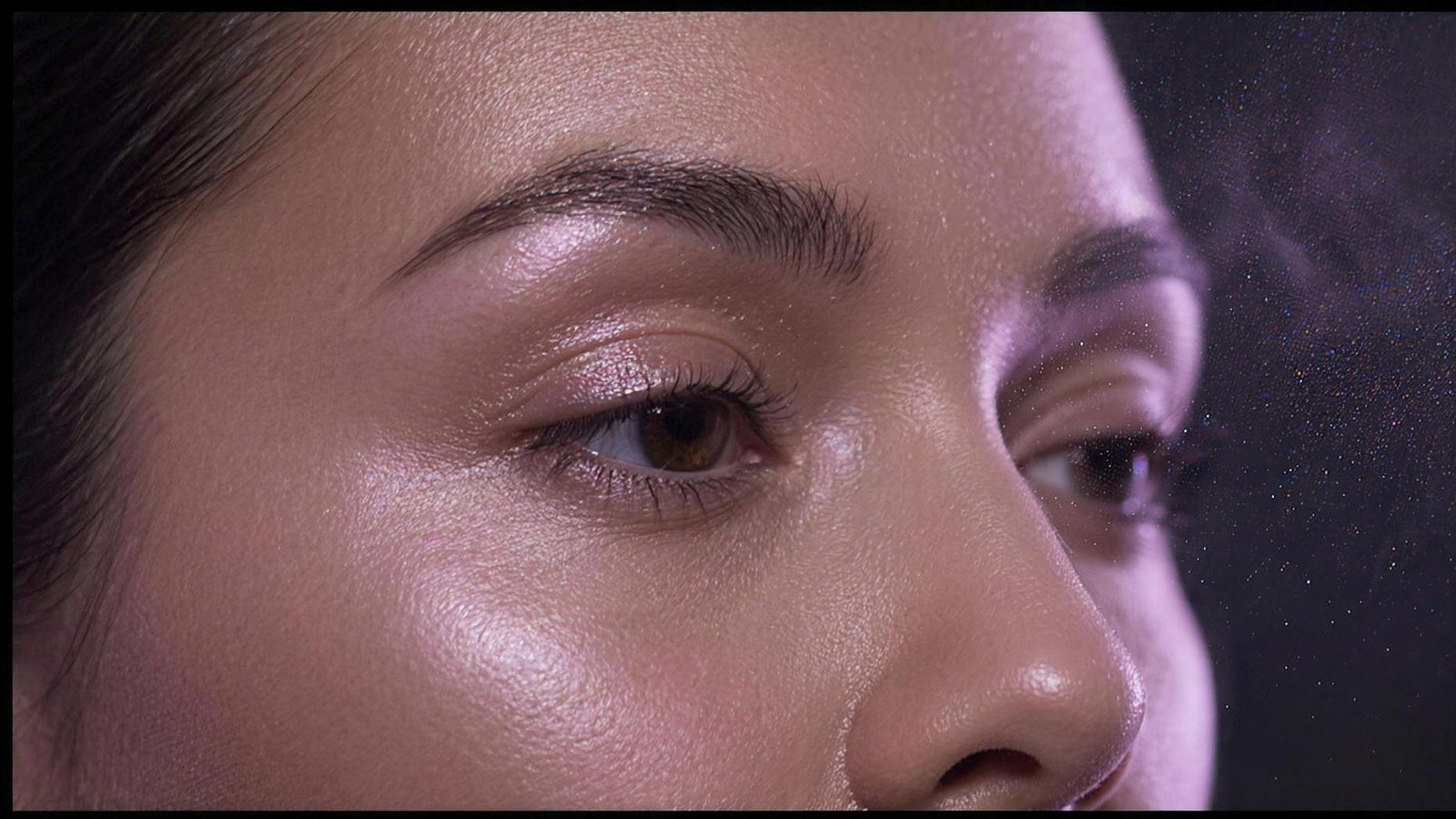
Periorbital rejuvenation is not one procedure. Excess eyelid skin, true ptosis, protruding fat, volume loss, dynamic lines and pigment change have different causes, and one treatment cannot correct them all. Blepharoplasty is surgery. Botulinum toxin and filler injections have distinct indications, temporary effects and potentially serious risks. In particular, filler injected near the eye can enter a blood vessel and cause vision loss; no result can be guaranteed. An appointment at the Maslak clinic in Istanbul is for an in-person assessment of eyelid function, ocular surface and the source of the concern before deciding whether any surgical or non-surgical option is appropriate.
Why Does the Eye Area Age Faster?
Understanding why the periorbital area is particularly vulnerable to aging helps patients make informed decisions about treatment. Several anatomical and physiological factors contribute to this accelerated process.
Anatomical Factors
The skin around the eyes is thin and mobile; aging, sun exposure, pigment, tissue support and ocular-surface conditions can all affect its appearance. A fixed thickness ratio or daily contraction count does not diagnose the concern or select a treatment. This constant movement gradually leads to the formation of dynamic wrinkles, particularly at the outer corners of the eyes — commonly known as crow's feet.
Contributing Factors to Periorbital Aging
Beyond natural chronological aging, several external and lifestyle factors accelerate periorbital deterioration:
- UV exposure: Cumulative sun damage breaks down collagen and elastin fibers
- Smoking: Restricts blood flow and accelerates skin degradation
- Genetics: Predisposition to under-eye bags, dark circles, or early wrinkle formation
- Sleep deprivation: Chronic lack of sleep contributes to puffiness and discoloration
- Repetitive expressions: Squinting and frequent eye rubbing damage delicate tissues
- Volume loss: Age-related bone resorption and fat pad displacement create hollowing
Surgical Options for Periorbital Rejuvenation
Surgical approaches to periorbital rejuvenation are designed for patients with moderate to advanced signs of aging around the eyes. These procedures offer more pronounced and longer-lasting results compared to non-surgical alternatives.
Blepharoplasty (Eyelid Surgery)
Blepharoplasty involves the removal of excess skin, muscle, and fat tissue from the upper eyelids, lower eyelids, or both. Upper blepharoplasty addresses drooping or hooded upper lids that may impair peripheral vision or create a tired appearance. Lower blepharoplasty targets under-eye bags caused by fat prolapse and loose skin. An oculoplastic assessment considers eyelid function alongside aesthetic goals, but no procedure can guarantee a natural-looking result or complete preservation of function. Detailed recovery information is available in our blepharoplasty recovery guide.
Almond Eye Surgery (Canthoplasty)
Almond eye surgery repositions the outer corner of the eye upward and laterally to create a more open, almond-shaped eye contour. This procedure can be performed alone or in combination with blepharoplasty for a comprehensive transformation of the eye area. It requires precise assessment of the eye anatomy, canthal tendon position, and patient goals to achieve harmonious results.
Non-Surgical Periorbital Rejuvenation Options
Non-surgical treatments are suitable for patients with mild to moderate aging signs, those who prefer minimal downtime, or individuals looking to complement surgical outcomes. These treatments offer gradual improvements with shorter recovery periods.
Botulinum Toxin for Crow's Feet
Botulinum toxin injections are among the most widely used treatments for dynamic wrinkles around the eyes. This treatment specifically targets crow's feet — the fan-shaped lines radiating from the outer eye corners — by temporarily relaxing the underlying muscles. Procedure time and onset vary; bruising, brow or eyelid droop, double vision, dry eye and uncommon systemic effects mean that zero downtime should not be promised. Botulinum toxin can also address forehead lines and frown lines between the eyebrows, contributing to overall upper face rejuvenation.
Dermal Fillers for Under-Eye Hollows
Dermal fillers, particularly those based on hyaluronic acid, can restore volume to hollow under-eye areas and soften the appearance of tear troughs. This treatment is especially effective for patients whose dark circles result from volume loss rather than pigmentation. The periorbital area requires careful injection technique due to its delicate vasculature and thin skin. Results are visible immediately and can last several months depending on the product used.
PRP Therapy for Skin Quality
Platelet-Rich Plasma (PRP) therapy uses growth factors derived from the patient's own blood to stimulate skin regeneration. When applied to the periorbital area, PRP can improve skin texture, reduce fine lines, and enhance overall skin quality. This treatment is often used as part of a broader periorbital rejuvenation protocol, complementing other procedures for cumulative benefits. Because it uses autologous material, allergic reactions are extremely rare.
Mesotherapy and Biofiller
Mesotherapy delivers cocktails of vitamins, minerals, and amino acids into the skin through microinjections. For the periorbital area, this treatment supports hydration, nourishment, and cellular renewal. Biofiller treatments use naturally derived filling agents to restore volume and support tissue integrity. Both approaches serve as valuable components within a comprehensive eye area rejuvenation plan.
Exosome Therapy
Exosome therapy represents an advanced regenerative approach to skin rejuvenation. Exosomes are small vesicles that facilitate intercellular communication, promoting tissue repair and collagen synthesis when applied to the treatment area. As a relatively newer option in periorbital rejuvenation, exosome therapy shows promising potential for addressing fine lines and improving skin resilience around the eyes.
Developing a Periorbital Rejuvenation Treatment Plan
Selecting the appropriate periorbital rejuvenation strategy requires a thorough clinical evaluation. Rather than relying on a single treatment, many patients benefit from a combined approach that addresses multiple concerns simultaneously.
During the consultation, the physician evaluates:
- The degree of excess skin on the upper and lower eyelids
- The position and volume of periorbital fat pads
- Tear trough depth and under-eye hollowing
- Distribution of dynamic versus static wrinkles
- Skin quality, elasticity, and pigmentation
- The patient's lifestyle and available recovery time
For some patients, botulinum toxin alone may address their concerns effectively. Others may benefit from a combination of blepharoplasty with filler augmentation. The key is a personalized plan designed by an experienced specialist. As a T.C. Ministry of Health Authorized Health Tourism Facility, our clinic provides thorough evaluations for international patients as well.
Post-Treatment Care for Periorbital Rejuvenation
Regardless of the specific treatment chosen, certain general care guidelines support optimal outcomes:
- Apply broad-spectrum sunscreen (SPF 30 or higher) daily to protect the delicate eye area
- Use physician-recommended eye area skincare products consistently
- Avoid rubbing or pulling on the skin around the eyes
- Maintain adequate sleep to support tissue healing and overall skin health
- Abstain from smoking, as it significantly impairs skin healing and collagen production
- Attend all scheduled follow-up appointments for monitoring and adjustments
Complementary procedures such as a thread lift can also support periorbital rejuvenation outcomes by addressing midface laxity and providing structural support to the surrounding tissues.
Frequently asked questions
Are under-eye bags, dark circles and hollows treated the same way?
No. Protruding fat, pigment, visible vessels, shadow from volume loss and fluid retention can create similar darkness. Filler does not remove pigment or true eye bags, and surgery does not solve every cause of dark circles. Assessment should identify the source and whether avoiding a procedure is the safer, more appropriate choice.
Are botulinum toxin and filler around the eyes risk-free?
No. Botulinum toxin can cause temporary brow or eyelid droop, double vision, dry eye and uncommon systemic effects. Filler may cause swelling, nodules and infection; rare vascular occlusion can lead to tissue death, visual impairment or blindness, or stroke. These risks and emergency pathways should be discussed before treatment.
Are blepharoplasty and injections alternatives to each other?
Not necessarily. Blepharoplasty addresses selected structural concerns involving skin, fat and eyelid support; injections do not remove excess skin or restore eyelid function. An injection is not an equivalent way to avoid surgical risk. The goal, anatomy, dry-eye status, expected benefit and each option’s limitations should be considered together.
Related guides
Sources
- American Academy of Ophthalmology — Eyelid Surgery
- FDA — Dermal Fillers (Soft Tissue Fillers)
- FDA — Dermal Filler Do’s and Don’ts for Wrinkles, Lips and More
This content provides general information, not a diagnosis or personal treatment recommendation. Suitability, risks and alternatives require an individual medical assessment.
