


It is understandable to consider a change while still wanting your face to feel like your own. “I want to look rested without changing my expression” can be a valuable starting point for a consultation. But “natural” does not describe the same appearance for everyone. It is more useful to treat this expectation as the beginning of a conversation about what matters to you than as a promised outcome.
What does “natural” mean to you?
One person may want to discuss a feature around the eyes while prioritising their smile; another may want familiar facial features to remain recognisable in everyday life. These are examples of preferences, not goals everyone needs to adopt. You can describe your own answer without asking to resemble someone else's photograph.
Alongside “How would I like to look?”, ask “Which change would make me uncomfortable?”. You might discuss brow position, the way your eye shape is perceived or a detail of your face that you like. Expressing these preferences is different from asking a clinician to guarantee something that your anatomy cannot support.
Separate your concern, priority and limit
Try dividing a sheet of paper into three parts. In the first, write the concern that brought you to the consultation, separating thoughts about appearance from vision, dryness or a sense of heaviness. In the second, add the goal that matters most. In the third, identify a change or uncertainty you would find difficult to accept.
This list is not an order for treatment. It helps you say, “This is my priority, but I also want to understand the other options.” If you have several goals, they do not all have to be resolved at one appointment. Discussing expectations that may conflict makes room for a more realistic assessment.
Reference images are not a contract
A photograph may help you explain an idea, but another person's anatomy, lighting or expression is not the same as yours. Use it to point out a detail you like rather than to request an identical result. Filtered or edited images should not be treated as proof of an achievable target.
Your own older photographs can also support the conversation. Nevertheless, no one can promise to recreate a past image in every detail. Ask your clinician to explain which expectations seem realistic, which do not, and why.
Discuss options and uncertainty together
If a procedure is suggested, ask which finding it addresses, what alternatives exist and what choosing no procedure would involve. Understand risks, follow-up and the possibility of further intervention alongside the potential benefit. The absence of a guaranteed outcome does not make your questions invalid. Discussing what uncertainty means for you is part of the decision.
You can ask for time to think. You do not have to decide on the day, follow another person's wishes or match an image on social media. Say if you do not feel ready. Attending a consultation does not mean that you have agreed to a procedure.
What should you leave the appointment with?
- A clear explanation of how the clinician assessed your concern.
- A shared understanding of the features you particularly want to preserve.
- A distinction between expected changes and what is not expected or cannot be guaranteed.
- Information about risks, follow-up and whom to contact if there is a problem.
- A short list of questions you want to revisit before deciding.
Summarising the discussion in your own words can help check whether you and the clinician understand the same thing. If needed, reread written information before taking the discussion further.
The eye-area assessment guide and information about blepharoplasty can help you understand the options. To discuss your expectations, you can ask about a consultation.
Sources

Related Posts

Working at a Screen: How Can I Describe My Eye Symptoms?
Turn “my eyes get tired” into everyday examples. A brief note can help explain when symptoms start and...
Read More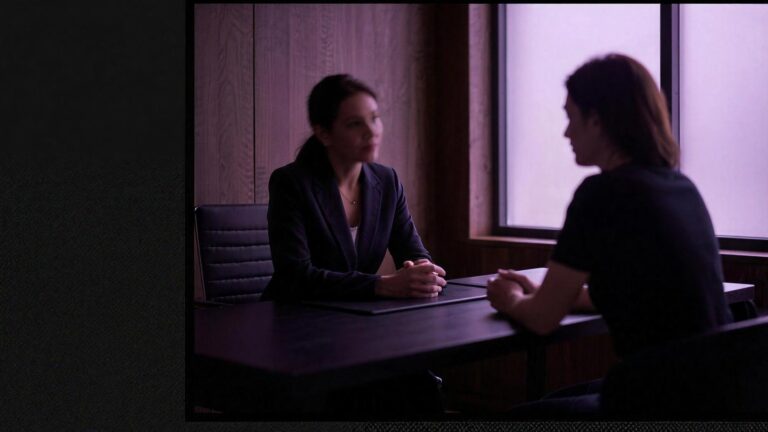
Eye Aesthetics Frequently Asked Questions: Before You Decide
Concise answers on candidacy, scars, anaesthesia, uncertain duration, safety, and useful consultation questions before an eye-aesthetics decision.
Read More
What Can You Learn from a Consultation Without Having a Procedure?
You can attend a consultation without committing to treatment. Learn how to explain your concerns and leave with...
Read More